Brunch Without Allergens: Healthy Vegan Options to Try
Published on February 1, 2025
Rethinking the Brunch Table
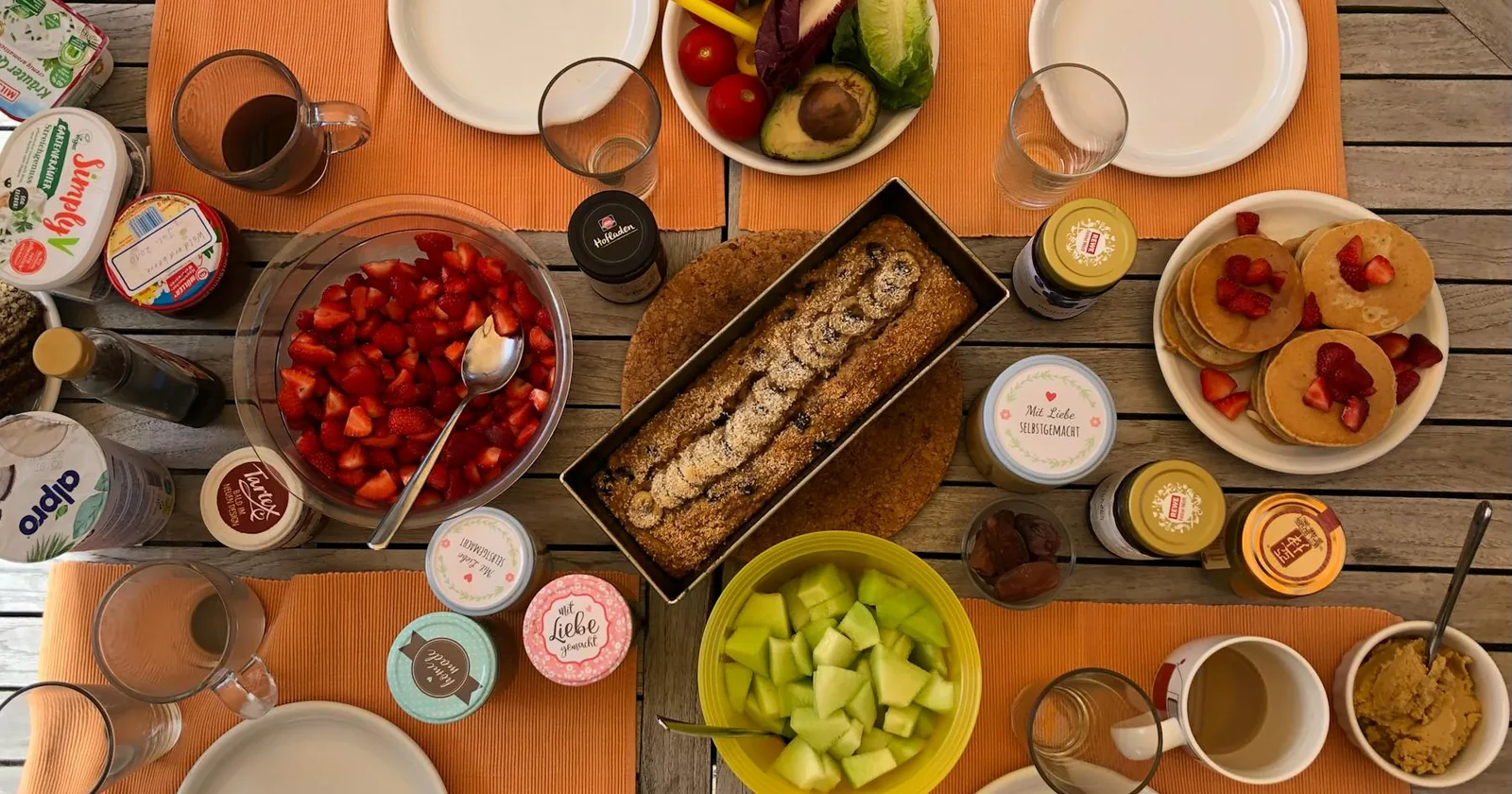
Traditional brunch is built on a foundation of eggs, dairy, and wheat, three of the most common allergens in the Western diet. For anyone managing food allergies, celiac disease, lactose intolerance, or a plant-based lifestyle, the standard brunch spread can feel like a minefield of ingredients to avoid. The encouraging reality is that vegan brunch cooking has matured well beyond sad substitutions. Modern plant-based brunch draws on whole foods, alternative flours, and naturally allergen-free ingredients to produce meals that are nutritionally substantial, genuinely flavorful, and inclusive of guests with diverse dietary needs. Many of the best options happen to be free of not just animal products but also gluten, soy, and nuts, which makes them accessible to people managing multiple allergens at once.
Savory Options That Satisfy
The savory side of vegan brunch offers some of the most satisfying and naturally allergen-friendly options. A well-seasoned tofu scramble is the plant-based answer to scrambled eggs, and it delivers substantially more protein per serving than many people expect. Firm tofu crumbled into a hot pan with turmeric for color, nutritional yeast for a savory depth, black salt (kala namak) for an eggy flavor, and whatever vegetables are on hand (peppers, onions, spinach, mushrooms, tomatoes) produces a hearty centerpiece in under fifteen minutes. For those avoiding soy, chickpea flour mixed with water and the same seasonings creates a comparable scramble without any soy products at all.
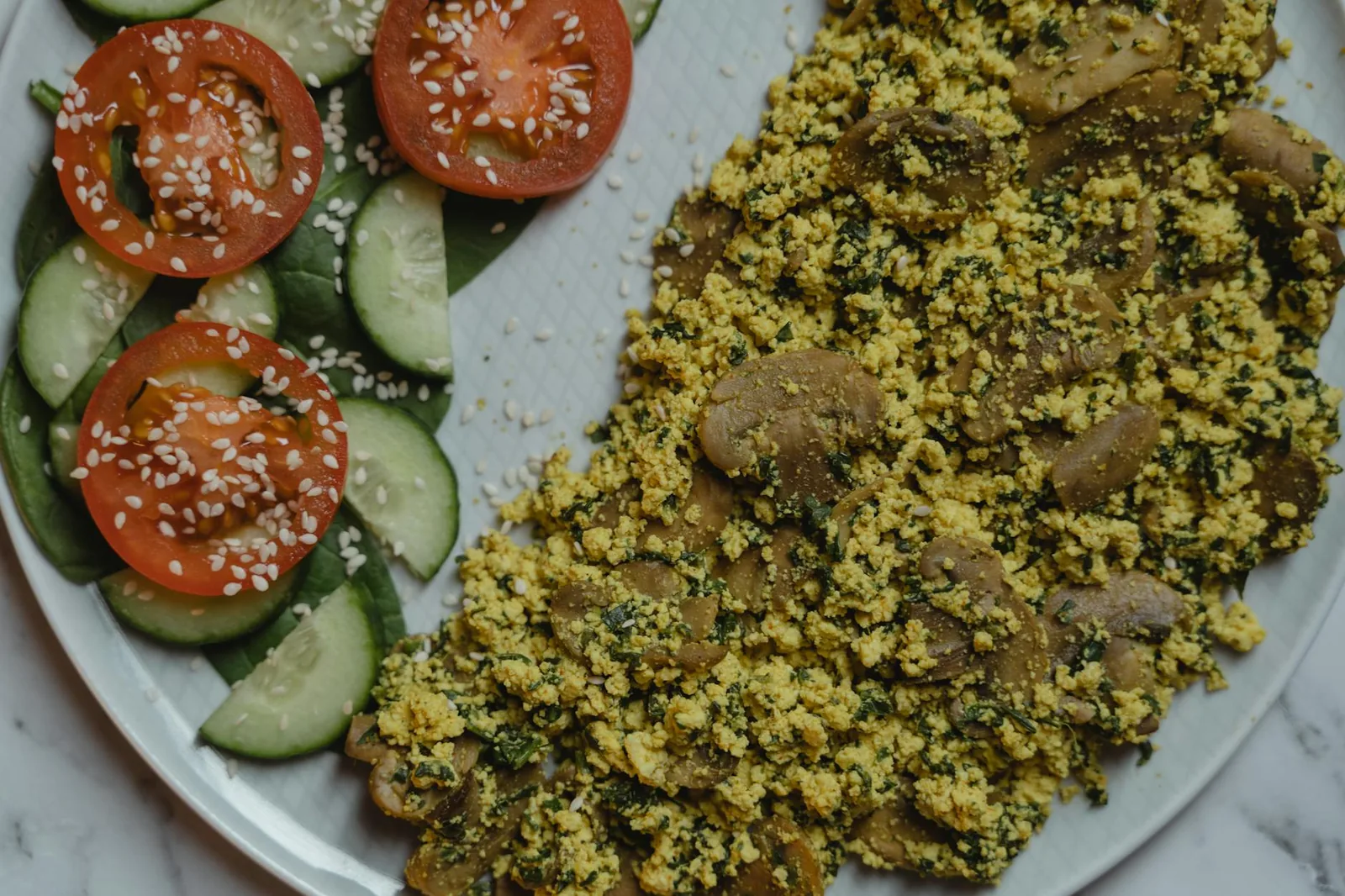
Chickpea flour is one of the most versatile tools in the allergen-free brunch kitchen. Made from ground garbanzo beans, it is naturally free of gluten, dairy, eggs, soy, and nuts. Mixed into a batter, it forms the base for savory crepes, frittata-style bakes, and flatbreads. A chickpea flour frittata loaded with roasted vegetables and fresh herbs offers the visual impression and satisfying heft of its egg-based counterpart while being accessible to nearly everyone at the table. The flour is also high in protein and fiber, making it a nutritionally dense choice for a meal that needs to carry people through the late morning and into the afternoon.
Savory breakfast bowls built on a base of roasted sweet potatoes or seasoned black beans provide another allergen-friendly framework. Top with sautéed greens, sliced avocado, pickled onions, salsa, and a drizzle of tahini or a squeeze of lime, and you have a filling, colorful plate that avoids every major allergen. Hash brown waffles (shredded potatoes pressed into a waffle iron until crisp) offer a creative, inherently gluten-free, dairy-free vehicle for toppings ranging from a simple avocado smash to a full savory breakfast spread.
Sweet Options Without Compromise
The sweet side of brunch traditionally depends on eggs for binding, butter for richness, and wheat flour for structure. Vegan and allergen-free baking has developed reliable workarounds for all three. Flaxseed meal or chia seeds mixed with water create a gel that binds batter effectively. Mashed banana or applesauce adds moisture and natural sweetness while reducing the need for added sugar. Coconut oil, nut butters (where nut allergies are not a concern), or even avocado can replace butter in most applications.
Oat flour pancakes made with certified gluten-free oats, plant-based milk, a flax egg, and mashed banana produce a stack that is tender, subtly sweet, and free of gluten, dairy, eggs, and refined sugar. Buckwheat flour, which is naturally gluten-free despite its name, makes excellent crepes with a mild, earthy flavor that pairs well with fresh fruit and a drizzle of maple syrup. For something more indulgent, banana bread made with almond or oat flour, sweetened with dates or maple syrup, and bound with chia seeds delivers the comfort-food warmth of a classic baked good without any common allergens.
Overnight oats prepared the night before with plant-based milk, chia seeds, and a sweetener like maple syrup or mashed fruit provide a no-cook option that is ready to serve the moment guests arrive. Topped with fresh berries, toasted coconut, sliced almonds (if nut-safe), or a spoonful of seed butter, overnight oats can be assembled in individual jars for a visually appealing and highly customizable presentation. Smoothie bowls, thick blends of frozen fruit, plant-based milk or yogurt, and optional protein boosters like hemp seeds or spirulina, offer a refreshing and nutrient-dense sweet option that is inherently free of gluten, dairy, and eggs.
The Protein Question
One of the most common concerns about vegan brunch is whether it provides enough protein to function as a substantive meal rather than a collection of sides. The answer depends on ingredient choices, but a well-planned vegan brunch can easily match or exceed the protein content of a conventional one. Tofu delivers roughly ten grams of protein per half-cup serving. Chickpea flour contains about six grams per quarter cup. A cup of cooked black beans provides around fifteen grams. Tempeh, for those who tolerate soy, offers roughly thirty grams per cup, more than three eggs.
Hemp seeds, pumpkin seeds, and sunflower seeds are concentrated protein sources that can be sprinkled onto bowls, stirred into batters, or blended into smoothies without introducing common allergens. Nut butters and nut-based cheeses add protein where nut allergies are not a concern. The key is building each plate intentionally rather than relying on a single ingredient to carry the nutritional load. Pairing a chickpea scramble with roasted potatoes and avocado, or serving buckwheat pancakes alongside a smoothie bowl with hemp seeds, creates a complete meal with balanced macronutrients.
Beverages That Complete the Spread
The beverage side of vegan brunch has benefited from the explosion of plant-based milks, which now include oat, almond, coconut, soy, rice, hemp, cashew, and macadamia options, each with a different flavor profile, frothing capability, and allergen status. Oat milk has become the default for lattes and cappuccinos in many cafés due to its creamy texture and neutral taste, and it is free of nuts, soy, and dairy. For guests with gluten concerns, rice milk or coconut milk are reliable alternatives, as some oat milks may contain traces of gluten depending on processing.
Fresh-pressed juices, sparkling citrus mocktails made with sparkling water and seasonal fruit, herbal teas, and cold-brew coffee served over ice with plant-based milk round out a beverage menu that is inclusive without requiring special accommodation. A pitcher of agua fresca (blended fruit strained and mixed with water and a touch of sweetener) adds a festive, colorful element that feels celebratory without containing any common allergens.
Planning for Multiple Allergies at One Table
The practical challenge of allergen-free brunch cooking often involves accommodating multiple restrictions at once. One guest avoids gluten, another is allergic to tree nuts, a third avoids soy, and a fourth eats no animal products. Rather than attempting to make a single dish that satisfies every restriction (which quickly becomes an exercise in elimination), the more effective strategy is to build a spread of individual components that guests can combine to their own specifications.
A build-your-own bowl or toast bar works exceptionally well in this format. Set out a base of roasted potatoes, a grain like rice or quinoa, and gluten-free bread or tortillas. Offer a selection of toppings: tofu scramble, sautéed vegetables, black beans, avocado, salsa, hummus, seed butter, fresh fruit, and sauces in separate containers. Label each component with its allergen status. This approach respects individual needs, gives everyone agency over their plate, and avoids the awkwardness of singling out any guest as the one with special requirements. It also produces a more visually interesting and interactive brunch experience than a single plated dish.
Making It Practical
Hosting an allergen-friendly vegan brunch does not require exotic ingredients or advanced cooking skills. Most of the dishes described here use affordable, widely available items: potatoes, beans, tofu, vegetables, oats, fruit, and basic pantry staples. Many components can be prepared the night before. Overnight oats can be assembled in jars, vegetable fillings roasted and refrigerated, sauces blended and stored, dry ingredients measured and mixed. The morning of, the work is primarily reheating, assembling, and presenting, a manageable workflow that leaves the host free to enjoy the meal alongside their guests.
Feature photo by Petra Nesti on Pexels.
Further reading (sources)
- U.S. Food and Drug Administration on how major allergens must be declared on packaged food
- Food Allergy Research and Education for how to read a food label before you order
- U.S. Food and Drug Administration with the gluten-free labelling rule and its 20 ppm limit