Peanut Allergy: The Complete 2026 Guide to Risk, Labels, Schools, and Treatment
Published on August 19, 2026
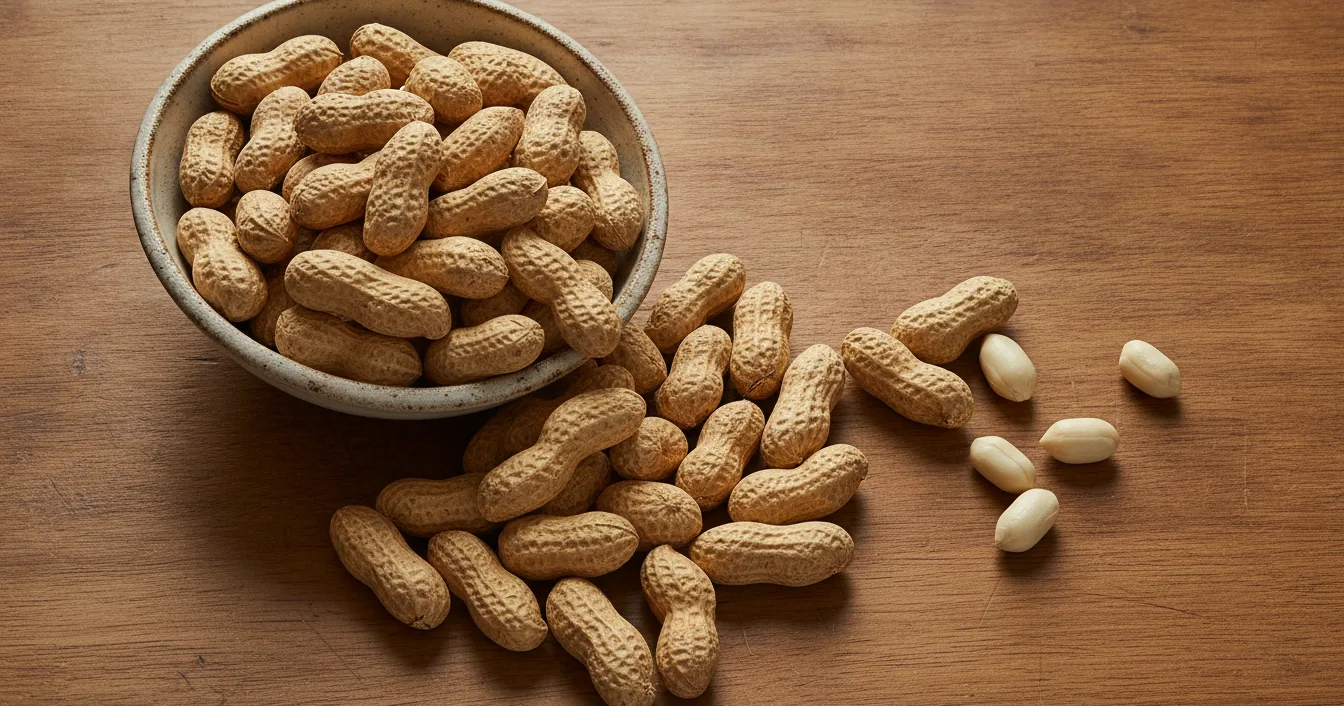
One Reference Instead of Ten Fragments
A peanut allergy diagnosis usually arrives with a prescription, a pamphlet, and a search history that fills up fast. Within a week most households have read a dozen half-answers: that peanut is a nut, that smelling it can kill, that a nut-free school solves the problem, that a cure is nearly here. Some of that is right. A surprising amount of it is not.
Peanut allergy affects roughly 6.2 million people in the United States and is the most common childhood food allergy in the country. It is also the allergen with the most research behind it, which means the honest answers exist. This guide pulls them into one place: what the allergy actually is, how it is diagnosed properly, where peanut hides, what labels do and do not promise, what casual exposure really does, and what treatment looks like in 2026.
Peanuts Are Legumes, and That Changes the Cross-Reactivity Math
Peanuts grow underground. They are legumes, in the same plant family as beans, peas, lentils, and soybeans. Tree nuts (almonds, cashews, walnuts, pistachios, hazelnuts, Brazil nuts) grow on trees and are botanically unrelated.
This matters for two reasons that pull in opposite directions. First, being allergic to peanuts does not automatically mean you are allergic to another legume. Peanut-allergic people can usually eat beans, peas, and soy without trouble, and cutting those out on a hunch removes protein from a diet that has already lost options.
Second, botanical distance does not protect you in a factory or a kitchen. Peanuts and tree nuts are processed, stored, scooped, and displayed together constantly. Roughly a quarter to a third of peanut-allergic people are also allergic to at least one tree nut, and many allergists advise avoiding both until tree nuts have been individually tested. That is a cross-contact decision and a testing decision, not a botanical one.
Ara h Proteins: Why Component Testing Is Worth Asking For
A standard blood test reports one number for peanut IgE. That number tells you the immune system has noticed peanut. It does not tell you how much trouble that recognition is likely to cause, and it produces false positives often enough that a positive result alone is not a diagnosis.
Component-resolved testing breaks peanut into its individual proteins, named Ara h 1 through Ara h 17 after the peanut’s scientific name, Arachis hypogaea. A few of them carry most of the clinical meaning:
- Ara h 2 and Ara h 6 are storage proteins and the strongest markers of genuine, systemic peanut allergy. They survive roasting and digestion, which is exactly what makes them dangerous. Ara h 2 in particular is the single best predictor of whether someone will react to eating peanut.
- Ara h 1 and Ara h 3 are also heat-stable storage proteins associated with systemic reactions, though they add less predictive value once Ara h 2 is known.
- Ara h 8 is the odd one out. It is structurally similar to a birch pollen protein, and sensitization to it usually reflects pollen-food cross-reactivity rather than true peanut allergy. Results driven by Ara h 8 alone are more often associated with localized mouth symptoms than systemic reactions, but an allergist must interpret them alongside the clinical history.
Someone with a high total peanut IgE driven almost entirely by Ara h 8 lives in a different world from someone with a modest total IgE driven by Ara h 2. Both get the same alarming number on a basic panel. Ask your allergist whether component testing is appropriate, and remember that the oral food challenge, supervised in a clinic, remains the gold standard when the picture is ambiguous. None of this is available from a mail-in kit, and the tests sold direct to consumers measure something else entirely.
Where Peanut Actually Hides
The obvious sources are easy. The dangerous ones are the foods where peanut is a technique rather than an ingredient people expect.
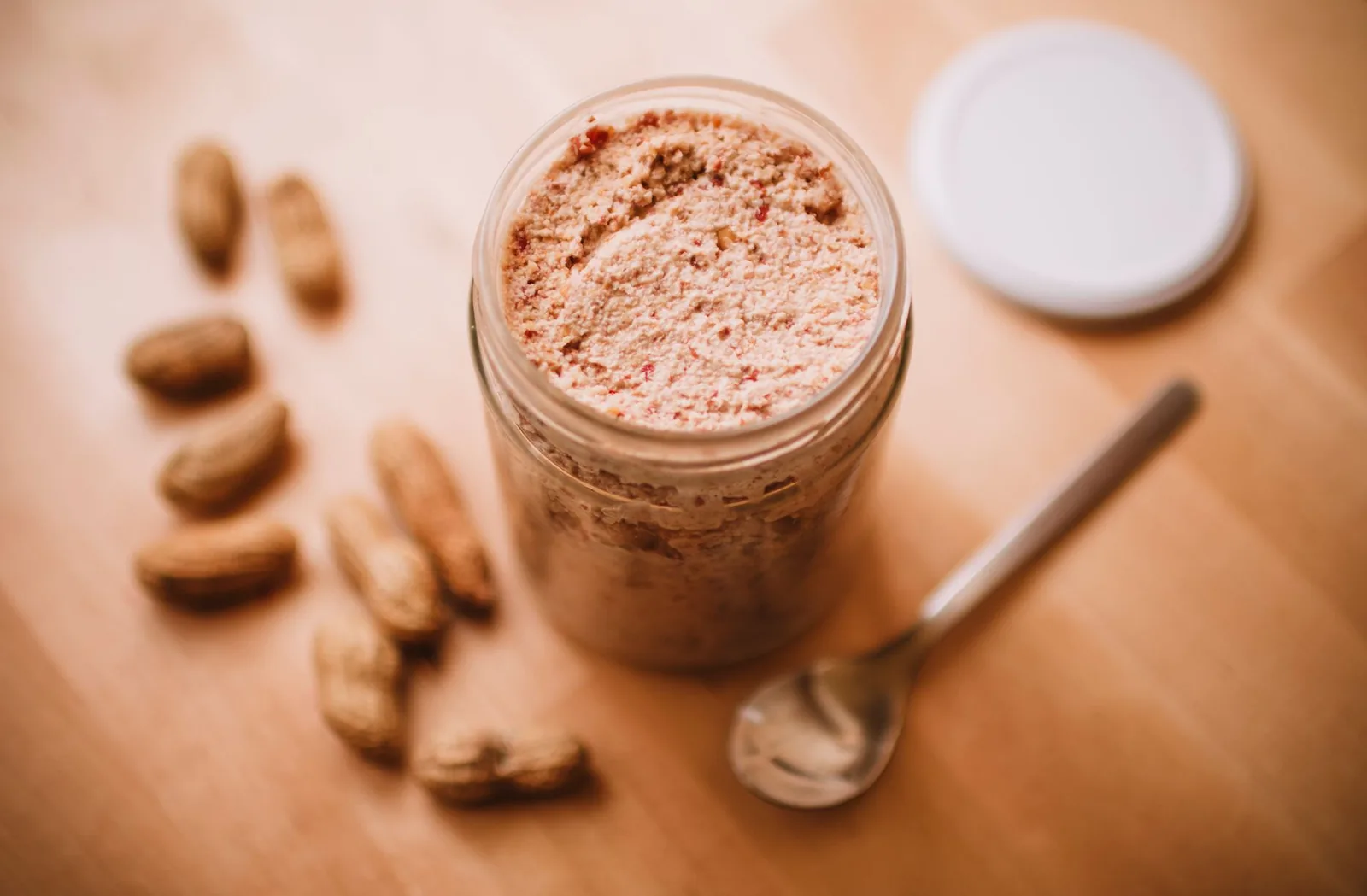
- Thickeners and binders. Ground peanut thickens sauces, chili, gravy, and soup, and it does the job invisibly.
- Sauces built on peanut by tradition. Satay, many curries, Mexican mole, Vietnamese and Thai dipping sauces, and some barbecue and enchilada sauces.
- Baked goods and desserts. Shared pans, shared cooling racks, shared piping bags, and shared display cases. Egg rolls sealed with peanut paste. Marzipan and nougat. Ice cream scooped with a shared scoop.
- “Natural flavoring,” hydrolyzed plant protein, and imported confectionery where sourcing is opaque.
- Peanut oil. Highly refined peanut oil has the protein stripped out and is exempt from US allergen labeling, and most allergists consider it safe for most peanut-allergic patients. Cold-pressed, expeller-pressed, extruded, and gourmet peanut oils are not exempt, retain protein, and must be declared. If a menu says “peanut oil” without qualification, ask which kind.
- Arachis oil and arachis hypogaea on cosmetic and personal care labels, which are simply peanut under another name.
Cross-Contact and What “May Contain” Does Not Promise
Here is the number worth carrying around. Researchers collected 154 baked goods at random from 18 bakeries across the New York and Miami metropolitan areas and tested them for peanut protein. Four samples, 2.6 percent, contained detectable peanut, and the levels ranged from 0.1 mg to 650 mg per 100 g. Translated into a single serving, the contaminated items delivered anywhere from 0.07 mg to 832 mg of peanut protein. None of them were peanut products.
That spread is the whole problem. Most cross-contact is trivial. Occasionally it is a full serving of peanut hiding in a croissant, and nothing on the outside of the item distinguishes the two.

Precautionary statements are meant to warn you about this, and in the United States they are entirely voluntary. “May contain peanuts,” “processed in a facility that also processes peanuts,” and “manufactured on shared equipment” are not defined in law, are not tied to any measured amount, and are not ranked by severity. A manufacturer that tests rigorously and one that adds the phrase to every product for legal cover produce identical text on the package. The FDA held a public meeting in February 2026 on allergen thresholds that could eventually give these words a number behind them, and our explainer on what threshold-based labeling would change covers where that stands.
What is mandatory is the “Contains” declaration. Under FALCPA, peanut must be named in plain English when it is an intentional ingredient. That law covers deliberate ingredients only. It says nothing about the shared roaster upstream.
Airborne Exposure: Separating Fact From Fear
The belief that being near an open jar of peanut butter can trigger anaphylaxis drives more anxiety than almost anything else in this diagnosis, and the evidence does not support it. In a placebo-controlled study, children with significant peanut allergy were exposed to peanut butter pressed against intact skin and held near the face for ten minutes of breathing. None had a systemic or respiratory reaction. Some got localized redness or itching where the skin was touched.
Two caveats keep that from being a blanket reassurance. It says nothing about industrial-scale processing that genuinely aerosolizes protein, and it says nothing about eating. Ingestion is what causes serious reactions, which is why the useful effort goes toward the mouth rather than the room.
Handwashing follows the same logic. Soap and commercial wipes remove peanut protein from hands reliably. Plain water and alcohol hand sanitizer do not. Sanitizer kills germs; it does not lift protein off skin.

Schools, Restaurants, and Travel
School is where most families expect a peanut ban to do the heavy lifting, and the international practice guidelines led by McMaster University recommend against site-wide bans. What they recommend instead is trained staff, stocked unassigned epinephrine, supervised eating, handwashing with soap, and a written plan for the individual child. Our full breakdown of what the school guidelines actually recommend includes the eight questions to ask your school and the evidence behind each one.
For restaurants, the questions that matter are about process, not intent. Is there a dedicated fryer? Is the sauce made in house, and does the recipe include ground peanut as a thickener? Are desserts made on site or brought in from a bakery? A kitchen that answers precisely is safer than one that answers enthusiastically. For flights, theme parks, cruises, and hotels, our travel playbook covers chef cards, pre-boarding requests, and what to do if a reaction happens away from home.
Treatment in 2026: Real Progress, No Cure
Peanut is the allergen where desensitization has advanced furthest.
Palforzia, first approved by the FDA in January 2020 and now approved for initial dose escalation in patients ages 1 through 17, is standardized peanut flour taken in escalating doses to a daily maintenance dose of 300 mg of peanut protein, about one kernel. In the PALISADE trial of nearly 500 children aged 4 to 17, half of the treated children could eat a full gram of peanut protein after a year, against 2 percent on placebo, and two-thirds tolerated at least 600 mg. The point is not that these children can eat peanut butter. It is to increase protection against reactions from accidental exposure.
Oral immunotherapy is a commitment, not a fix. Reactions during treatment are common, cofactors like exercise, illness, hot showers, and NSAIDs raise the risk on any given day, and 10 to 30 percent of patients stop because they cannot tolerate the symptoms, gut symptoms especially.
A sublingual peanut tablet reported results in July 2026 showing increased peanut tolerance in about half of allergic children and adults after six months, and it is moving to Phase 3. A tablet under the tongue is a meaningfully lighter daily burden than escalating food doses, if the Phase 3 data hold.
Xolair and the Viaskin patch round out the picture. Our complete guide to the 2026 treatment landscape compares all of them and how to sequence the decisions with an allergist.
Meanwhile, the supply side is being worked on too. Clemson University scientists reported in July 2026 that they had identified reduced-allergen peanut lines, breeding toward a peanut that carries less allergenic protein in the first place. That is years from a grocery shelf, and it is not a substitute for anything above.
What to Do in Your First Month
- Get a board-certified allergist. Confirm the diagnosis, ask about component testing, and ask whether an oral food challenge is appropriate.
- Fill two epinephrine devices and keep them together. Epinephrine is the only thing that stops anaphylaxis. Antihistamines may relieve skin symptoms, but they must not delay or replace epinephrine for anaphylaxis. Give epinephrine first and give it promptly.
- Write the emergency plan down and give a copy to everyone who feeds your child.
- Plan for symptoms to recur. A second wave can occur after initial improvement, so follow the observation and follow-up instructions in your emergency plan.
- If you have a new baby in the house, ask the pediatrician about early introduction. After the LEAP study, the AAP and NIAID issued guidelines endorsing early peanut introduction for infants, which is one of the few genuinely preventive levers available. Timing depends on your baby’s risk profile, so ask rather than guess.
- Build the fundamentals. Our complete food allergy guide for 2026 covers labels, cross-contact at home, and emergency planning across all nine major allergens.
Peanut allergy is serious, it is common, and it is better understood than any other food allergy. The direction of travel is genuinely good. Until treatment catches up, the boring habits carry the weight: read the label, ask the specific question, wash with soap, and keep the device within reach.
Further reading (sources)
- Food Allergy Research and Education on why peanuts are legumes and not tree nuts
- Food Allergy Research and Education for how many Americans live with peanut allergy and how fast it has grown
- Annals of Allergy, Asthma and Immunology with what testing found inside randomly selected bakery items
- FDA on what allergen labeling law actually requires
- McMaster University covering the international guidance against school food bans
- Allergic Living reporting the sublingual peanut tablet results heading to Phase 3
- Clemson News with the reduced-allergen peanut lines identified for safer foods