Does Cooking Change an Allergen? Roasting, Boiling, Baking, and Why Some Nuts Get Riskier With Heat
Published on September 15, 2026
The Advice That Sounds Reasonable and Is Usually Wrong
Somebody always says it. A relative at a holiday table, a coworker looking at your ingredient list, occasionally a line cook who means well: it’s cooked, so it’s fine. The logic feels sound. Heat destroys bacteria, heat breaks things down, so heat must break down the protein your immune system is reacting to.
Sometimes it does. Extensive baking is the basis of the milk and egg ladders that allergists run in clinic, and those work. But heat is not a neutral force applied evenly across every allergen. It unfolds some proteins and leaves others completely intact. In the case of the dry-roasted peanut, it does something worse than nothing: it chemically modifies the protein into a form that binds antibodies harder than the raw version did. The same oven that makes a milk muffin tolerable for most milk-allergic children is the oven that makes peanut a more potent allergen than it started out.
This guide walks through what actually happens at the protein level, allergen by allergen, and where the “just cook it” advice is true, where it is merely untested, and where it is dangerous.
What Heat Actually Does to a Protein
An allergenic protein is a folded chain of amino acids, and your immune system recognizes it in two different ways. Some antibodies latch onto the three-dimensional shape of the folded protein, a conformational epitope. Others latch onto a stretch of the amino acid sequence itself, a linear epitope, regardless of how the chain happens to be folded.
That distinction decides everything. Heat denatures proteins, meaning it unfolds them. Unfolding destroys conformational epitopes, so an allergen recognized mainly by its shape can genuinely become less reactive in a hot oven. An allergen recognized by its sequence does not care at all. You can boil it, fry it, bake it, and the target is still sitting there in the chain.
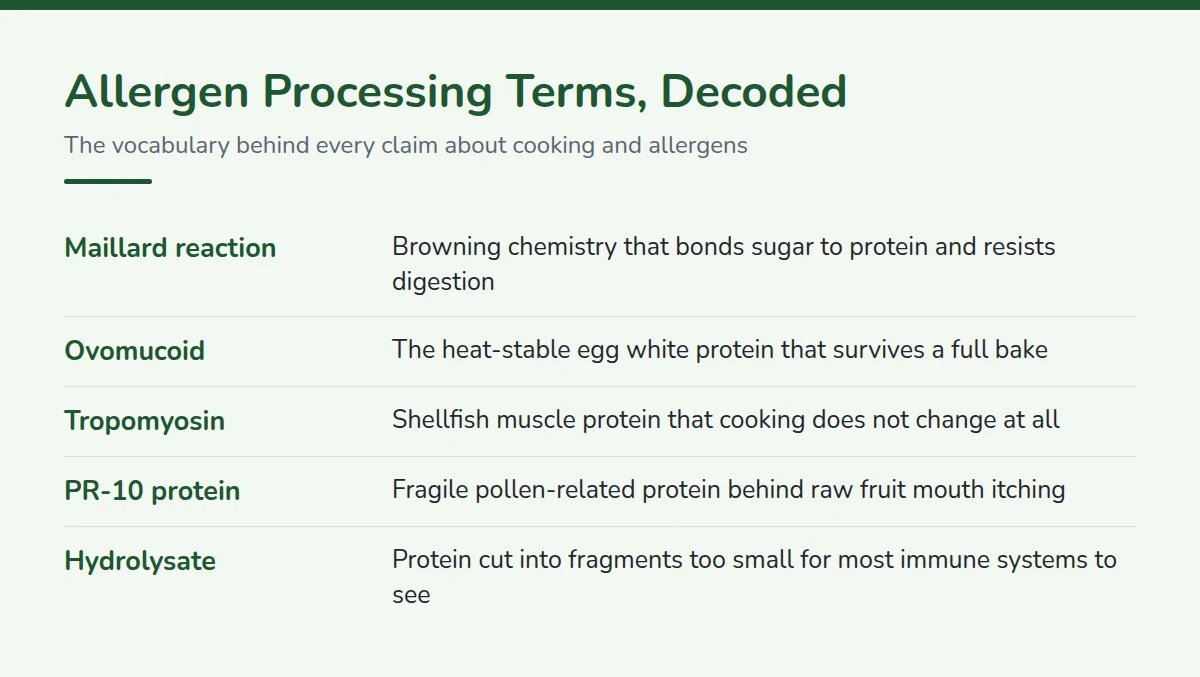
There is a third possibility that gets left out of most explanations, and it is the one that makes roasted peanuts the cautionary tale of this field. Heat does not only unfold proteins. In the presence of sugars, it chemically bonds those sugars to the protein through the Maillard reaction, the same browning chemistry that gives roasted food its color and flavor. Glycated proteins are more resistant to stomach digestion, which means more of the allergen survives to reach the gut immune system intact. The reaction can also create new binding sites that were not there before. Cooking, in that case, does not reduce the allergen. It builds a tougher one.
The Peanut Problem: Why Roasting Makes It Worse
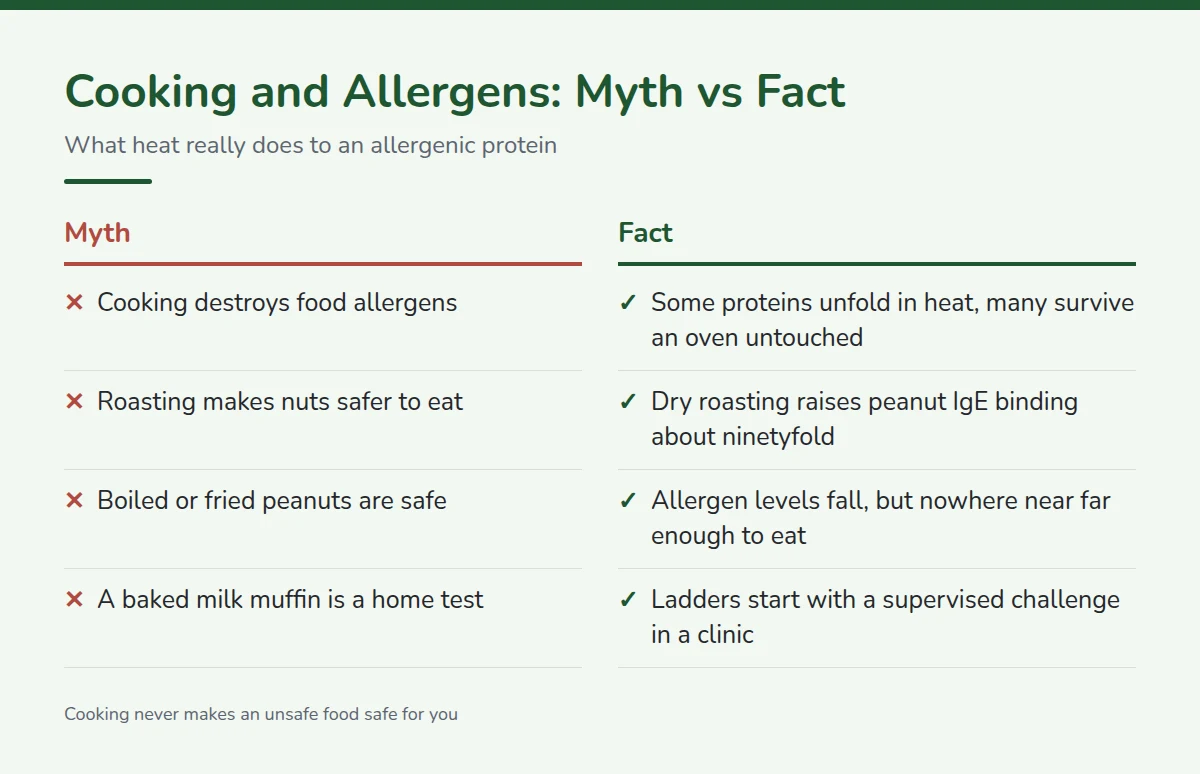
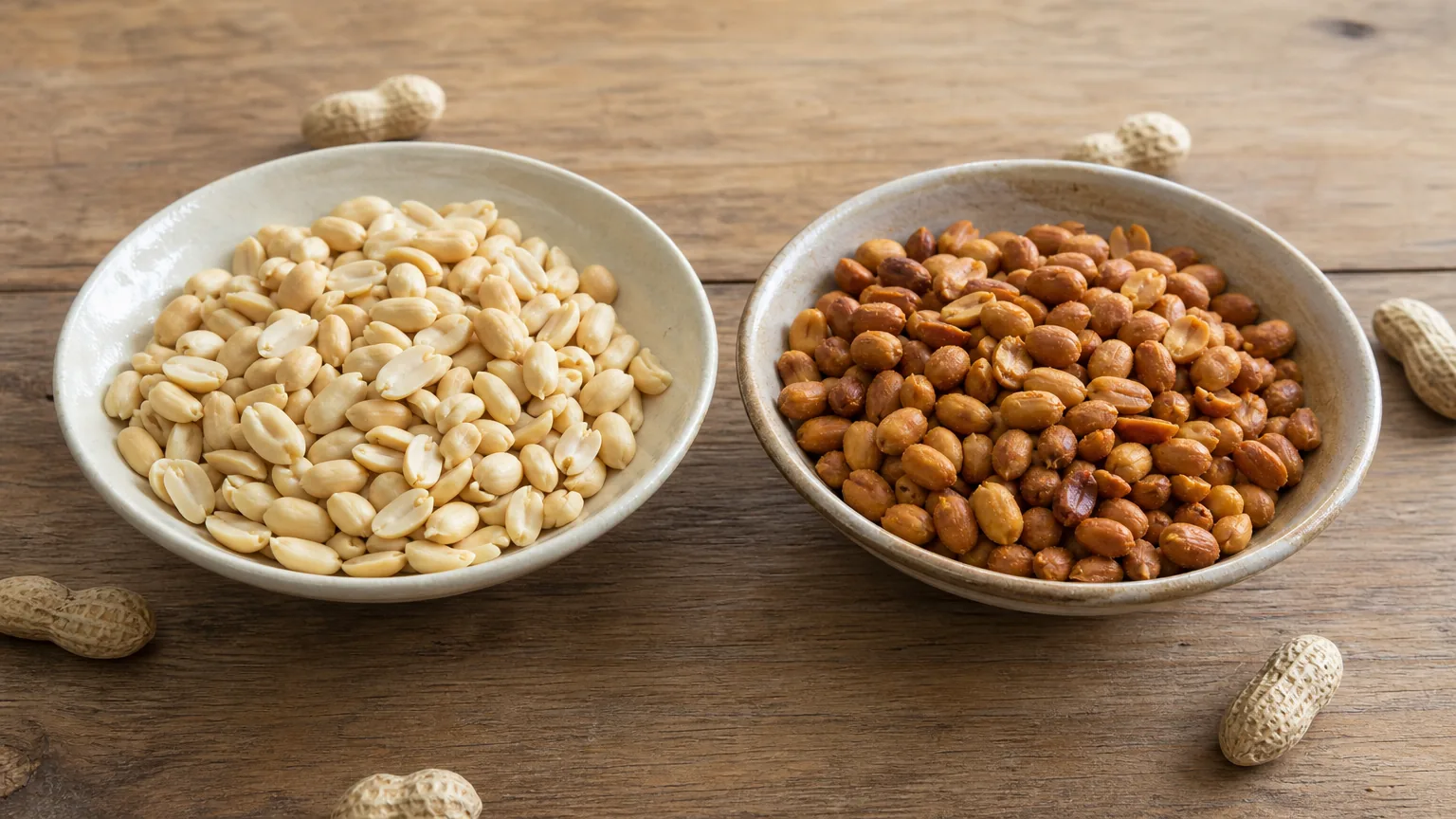
Peanut is where this was first demonstrated clearly. Working at the USDA, Maleki and colleagues compared raw peanut protein with dry-roasted peanut protein and found that the roasted Ara h 1 and Ara h 2 bound IgE antibodies roughly ninety times more strongly than their raw counterparts. Roasting also made the proteins markedly more resistant to digestive enzymes. Dry roasting is the standard American treatment for peanuts, and it produces the most allergenic form of the nut anybody eats.
The mirror image of that finding came from Beyer and colleagues, who tested fried and boiled peanuts and found substantially lower levels of the major allergens than in roasted peanuts. Frying and boiling are wet, lower-temperature processes that do not drive the Maillard reaction the same way, and boiling in particular leaches soluble protein out into the water. The researchers raised this as one possible contributor to a long-standing puzzle: peanut consumption in China is high, peanut allergy prevalence has historically been much lower than in the US, and Chinese cooking traditionally fries or boils peanuts rather than dry roasting them.
That is a genuinely interesting finding about populations. It is not a kitchen instruction, and this is the point where people get hurt. “Lower” is not “absent.” Boiled peanuts still contain enough allergen to cause anaphylaxis, boiled peanut water is itself a hazard, and nobody has ever shown that a peanut-allergic person can safely eat a fried one. If you are peanut-allergic, every preparation is off the table. Our complete 2026 peanut guide covers where the protein hides and what the treatment landscape looks like now.
Milk and Egg: The One Place Heat Genuinely Helps
Milk and egg are the reason the whole “cooking changes allergens” idea has any credibility, and the reason is that both foods contain a mix of heat-stable and heat-labile proteins.
In milk, the whey proteins (beta-lactoglobulin and alpha-lactalbumin chief among them) are heat-labile and unfold readily. The caseins, which make up the bulk of milk protein, are heat-stable and survive almost anything you do to them. In egg, ovalbumin is heat-labile while ovomucoid is heat-stable and enzyme-resistant. A child whose reactivity is driven by the labile proteins has a real chance of tolerating a well-baked product. A child sensitized mainly to casein or ovomucoid does not.
Nowak-Wegrzyn and colleagues demonstrated this in a 2008 cohort of one hundred milk-allergic children: roughly seven in ten ate milk baked into a muffin without reacting, and the ones who failed skewed heavily toward casein sensitization. Lemon-Mulé and colleagues published the egg counterpart the same year, with a comparable share of egg-allergic children tolerating extensively heated egg and measurable immune changes over the following months in those who kept eating it.
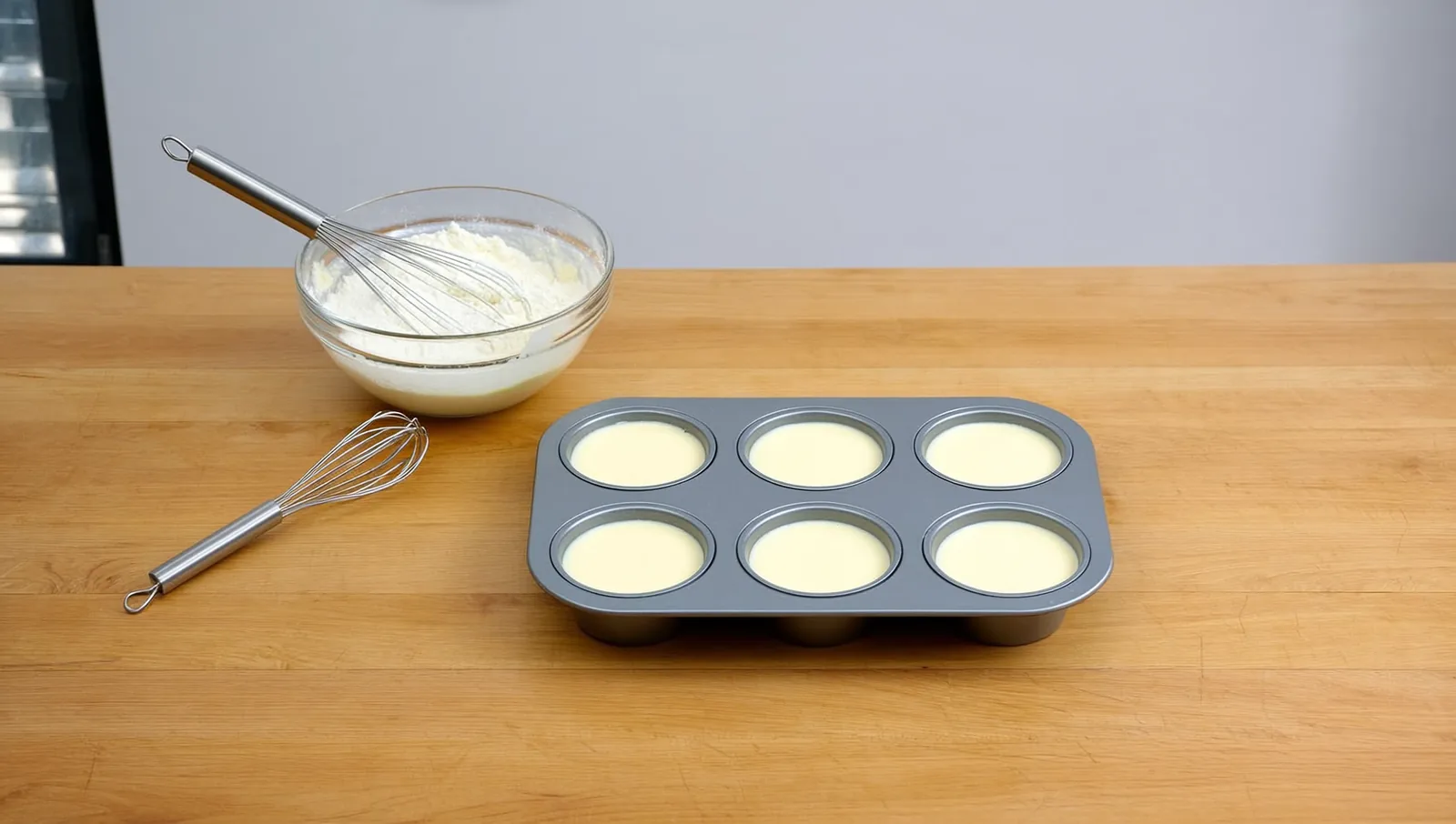
Two details in those protocols matter enormously, and both get lost when the finding is repeated casually. The first is the specificity of the heat: a measured amount of milk or egg baked into a wheat-flour product at around 350°F for a full thirty minutes. Scrambled egg, pancakes, custard, cheese on pizza, and a splash of milk in a sauce are not that. The second is the matrix. The wheat flour is not filler. It forms a dense network that physically traps the allergen, so less of it survives digestion in a form the gut immune system can see. Heat plus matrix is doing the work, not heat alone.
And none of it is a home experiment. Three in ten of those children reacted, some severely, and there is no way to tell from your kitchen which group your child is in. A ladder starts with a supervised oral food challenge. Our egg allergy guide walks through how allergists build one rung by rung.
Shellfish and Fish: The Proteins That Do Not Care
Crustacean shellfish is the clearest example of an allergen heat simply does not touch. The dominant allergen in shrimp, crab, and lobster is tropomyosin, a long, simple, rod-shaped muscle protein whose epitopes are largely linear. Boiling it, grilling it, or deep frying it changes essentially nothing about how an allergic immune system sees it.
Worse, heat makes tropomyosin more mobile. It is water-soluble and it leaches readily, so the cooking water, the steam, and the oil in a shared fryer all carry real protein. Aerosolized shellfish protein from a boiling pot is a documented cause of respiratory reactions in people who never ate anything. In their review of crustacean processing, Zhao and colleagues worked through thermal treatment, high pressure, irradiation, and enzymatic approaches and concluded that no available processing method resolves crustacean allergy, leaving strict avoidance as the only reliable option.
Finned fish behaves similarly. The major allergen, parvalbumin, is small, stable, and resistant to both heat and digestion. There is one partial and much-misunderstood exception: the extreme heat and pressure of commercial canning degrades parvalbumin enough that some fish-allergic people tolerate canned tuna or salmon when they cannot eat the fresh fish. That is a real phenomenon, it is species-dependent and person-dependent, and it belongs in an allergist’s office rather than a can opener. Our fish and shellfish guide covers the steam and shared-fryer problems in detail.
Tree Nuts: Genuinely Mixed, Reliably Unhelpful
Tree nuts are not one category behaving one way, which is the honest conclusion of Vanga and Raghavan’s review of processing effects across the group. Roasting, blanching, autoclaving, high-pressure treatment, pulsed electric fields, irradiation, and enzymatic treatment have all been tested, and the results move in different directions depending on the nut and the protein.
Some patterns hold up. The storage proteins that dominate tree nut allergy (amandin in almond, the Ana o proteins in cashew, Cor a 9 and Cor a 14 in hazelnut) are built to survive dormancy and are correspondingly tough. The PR-10 protein in hazelnut, Cor a 1, is the opposite: it is fragile, and it is the protein behind the mild oral itching that birch-pollen-allergic people get from raw hazelnut. Roasting often abolishes that particular reaction while leaving the serious storage-protein allergy completely untouched.
The practical read is that processing research on tree nuts is aimed at industrial hypoallergenic ingredients, not at making a bowl of nuts safe for you. Our tree nut guide covers which of the nine recognized nuts cluster together on cross-reactivity.
Beyond Heat: Pressure, Fermentation, Hydrolysis, and Refining
Thermal processing is only one lever, and the non-thermal ones get oversold in marketing copy.
High pressure processing unfolds proteins without heat and has produced reductions in reactivity in laboratory conditions, but results vary by allergen and pressure alone has not produced a reliably hypoallergenic food. It shows the most promise combined with enzymatic treatment.
Fermentation works by letting microbes chop proteins into fragments, and it genuinely lowers intact protein content. It does not eliminate it. Aged cheese is still a milk allergen. Yogurt is still a milk allergen. Traditionally brewed soy sauce has very little intact soy protein left, but most soy sauce also contains wheat, and neither fact makes it safe on its own.
Hydrolysis is the one process with a regulatory bar attached. An extensively hydrolyzed infant formula has to be tolerated by at least ninety percent of infants with confirmed cow’s milk allergy to carry a hypoallergenic claim, which Nutten and colleagues describe as a real engineering constraint rather than a marketing line. Partially hydrolyzed formula does not meet that bar and is not hypoallergenic. Amino acid formula, where the protein is broken down to individual building blocks, is the only genuinely non-allergenic option.
Refining is why highly refined peanut oil is exempt from US allergen labeling: the refining process strips the protein out. Cold-pressed, expeller-pressed, and extruded peanut oils are not refined that way, retain protein, and are not exempt. That distinction is on the label and it is worth knowing.
The One Real Exception: Pollen Food Allergy Syndrome
There is a single situation where “just cook it” is broadly true, and it is not a food allergy in the classic sense.
Pollen food allergy syndrome (also called oral allergy syndrome) happens when antibodies raised against pollen cross-react with a structurally similar protein in raw fruit, vegetables, or nuts. Those proteins, the PR-10 family, are fragile. They fall apart in heat and in stomach acid, which is why the reaction stays confined to the mouth and why a cooked apple, a roasted pepper, or a microwaved carrot is usually fine for someone who cannot eat them raw.
The important caveat is that a different fruit protein family, the lipid transfer proteins, is heat-stable and digestion-stable and causes genuinely systemic reactions. Peach and other stone fruit are the classic sources. Mild oral itching from raw apple and a systemic reaction to peach can look superficially similar and they are not the same condition. That call belongs to an allergist, ideally with component testing, and not to a self-experiment on the strength of a blog paragraph.
Why Cooked Food Can Hide an Allergen From a Test
There is a downstream consequence of all this chemistry that rarely gets explained to consumers. The standard analytical tools that food manufacturers use to verify allergen control, mostly antibody-based ELISA tests, rely on recognizing the allergenic protein’s shape. When processing has unfolded, glycated, or fragmented that protein, the test can under-report it badly. The protein is still in the food. The assay just cannot see it as well.
Both the tree nut and crustacean reviews above spend substantial space on exactly this problem, and it explains a real-world pattern: undeclared allergen recalls in heavily processed, baked, and fried products are common, and a “not detected” result on a processed matrix is weaker evidence than it looks. It is also a good reason to weigh what a certification actually audits rather than trusting a claim on the front of a box. Our breakdown of what each free-from seal really verifies covers which programs test product versus which only review paperwork.
What This Means in Your Kitchen
The rules that survive all of the above are short.
Cooking never converts an unsafe food into a safe one for a person allergic to it. Not roasting, not boiling, not frying, not pressure cooking, not fermenting. Reductions measured in a laboratory are population-level observations about protein chemistry, not clearance for an individual plate.
Baked milk and baked egg are real, they are well evidenced, and they are clinical procedures. They start with a supervised challenge, they use a specified form and a specified amount, and maintaining tolerance means eating that form regularly rather than occasionally.
Heat can make an allergen more dangerous, not just less. Dry roasting is the documented case, and it is the single most common way peanuts are sold in the US.
And when someone tells you the dish is fine because it has been cooked, the polite answer is that heat changes allergens in both directions, and you do not get to know which direction without an allergist. Anyone managing this day to day will find the groundwork in our food allergy 101 guide.
Further reading (sources)
- Maleki and colleagues on how dry roasting raises peanut IgE binding roughly ninetyfold
- Beyer and colleagues for what frying and boiling do to peanut allergen levels
- Nowak-Wegrzyn and colleagues with the cohort that established baked milk tolerance
- Lemon-Mule and colleagues on immune changes in children eating extensively heated egg
- Vanga and Raghavan reviewing how conventional and novel processing alter tree nut allergens
- Zhao and colleagues, on why no processing method resolves crustacean allergy
- Nutten and colleagues for the bar extensively hydrolyzed formula has to clear
- US Food and Drug Administration with its own account of the current allergen landscape