Coconut Is Off the Tree Nut Menu: What Disney World's October 6 Change Means for Coconut-Allergic Diners
Published on October 23, 2026
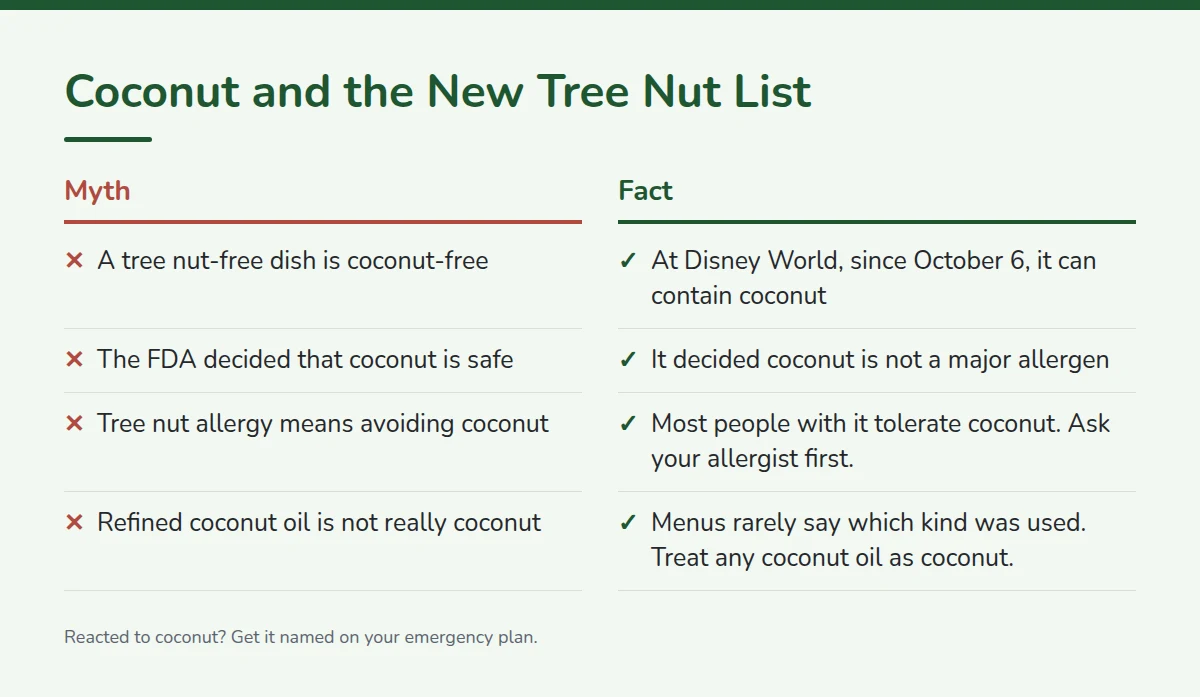
For years, a family managing a coconut allergy at Walt Disney World could lean on a shortcut. Flag tree nuts, order from the allergy-friendly menu, and coconut came off the plate along with the almonds and cashews, because the FDA’s list of tree nuts used to include it. That shortcut stopped working on October 6, 2026. Disney World’s special dietary requests page now names eleven ingredients the FDA no longer treats as major tree nut allergens, coconut and shea among them, and says menu items containing any of them may now be included in its allergy-friendly options.
Nothing about coconut got riskier that day. The allergen is the same; the box it sits in moved. Our complete tree nut allergy guide covers what the FDA’s shorter list means on a package. This is the dining-out side of the same change: what Disney altered, why chain allergen charts built on the federal list will drift the same way, where the eleven delisted ingredients turn up on a menu, how to order when the tree nut box no longer covers you, and when a coconut reaction deserves its own allergist appointment.
What Disney Changed on October 6
The notice sits near the bottom of Disney World’s special dietary requests page, under a line explaining that updated FDA guidance has changed how certain ingredients are classified. It names eleven: coconut, kola (cola nut), beechnut, butternut, chestnut, chinquapin, ginkgo nut, hickory nut, palm nut, pili nut, and sheanut. From October 6, menu items containing any of them can be listed among the allergy-friendly options at the restaurants Disney owns and operates.
Those allergy-friendly menus show which dishes are made without the nine allergens the FDA treats as major (milk, egg, fish, crustacean shellfish, tree nuts, peanuts, wheat, soy, and sesame), plus gluten. “Tree nuts” on them now means the nine nuts in the FDA’s current table: almond, Brazil nut, cashew, hazelnut, macadamia, pecan, pine nut, pistachio, and walnut, with several walnut species named separately. A dish made with coconut milk, chestnut flour, or a coating built on shea fat can now be listed as made without tree nuts, and the listing is correct.
If you compare lists, the FDA’s own roll of removed nuts runs to twelve. Disney’s leaves off lichee nut, the dried lychee. When you check a chart somewhere else, the FDA’s version is the fuller one.
Some things did not change. Disney’s page still says guests must speak to a cast member about their allergy request, still says it cannot guarantee any item is completely free of allergens, and still notes that its allergy-friendly recipes may use highly refined oils such as soybean oil. The special diets process also applies only to restaurants Disney owns and operates. Not every restaurant on the property is one of them, so at the others, ask how that kitchen handles allergies before you order.
In mid-October, reports described a new counter at Sunshine Seasons, the food court on the lower level of EPCOT’s The Land pavilion, set aside for special dietary requests. Guests order there directly with a cast member, and nothing was added to the menu. A large printed guide at the counter lists every item with its ingredients, organized by allergen. For a coconut-allergic diner, the ingredient lists are the useful part: a guide sorted by allergen only screens what its categories cover, and since October 6, coconut sits outside the tree nut category.
Why a Packaging Rule Reached the Restaurant Menu
The change traces back to January 6, 2025, when the FDA finalized the fifth edition of its food allergen labeling guidance. After reviewing every nut on its old list, the agency kept only those with a robust body of scientific evidence behind them as major allergens. Coconut, shea, kola, chestnut, and eight others came off. On a package, coconut no longer belongs in the “Contains” statement, but it must still appear in the ingredient list by name, unless it arrives as a flavoring declared only as “natural flavor.”
That guidance was written for packaged food, and the FDA describes its guidance documents as its current thinking rather than binding rules. Federal allergen labeling law does not dictate what a restaurant prints on its menu. In practice, though, restaurant allergen charts are usually organized around the same nine major allergens, so when the FDA redrew “tree nuts,” menus keyed to that list redrew it too. Disney’s notice ties its change directly to the FDA’s reclassification.
State law is now pushing in the same direction. Since July 1, 2026, California’s SB 68 has required chain restaurants with 20 or more locations to give customers written notice of the major food allergens in each menu item, either on the menu or through a digital menu backed by a written alternative such as an allergen chart, grid, or booklet. The state’s guidance lists the nine, tree nuts among them, and points restaurants to the FDA for detail. It does not mention coconut. A chain building its California chart to the current federal list has no reason to give coconut its own column, and New Jersey lawmakers are weighing a similar requirement.
So Disney’s change is an early, visible example rather than an outlier. Any allergen grid that tracks the federal nine stops screening for coconut once it is updated, and the update may not come with a note saying so.
Where the Eleven Turn Up on a Menu
Most of the eleven rarely reach a restaurant plate. Coconut is the exception, and the free-from kitchen is where it concentrates, because coconut is the stock substitute for the very allergens those menus remove.
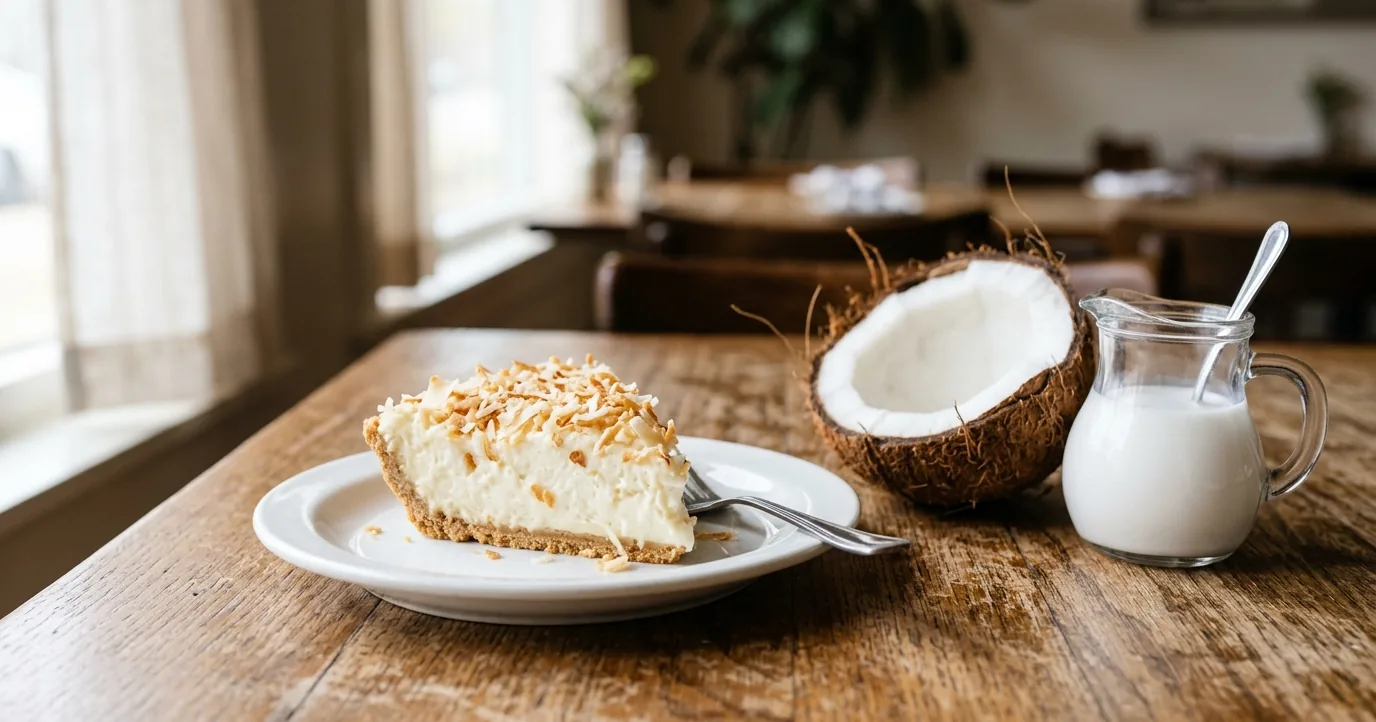
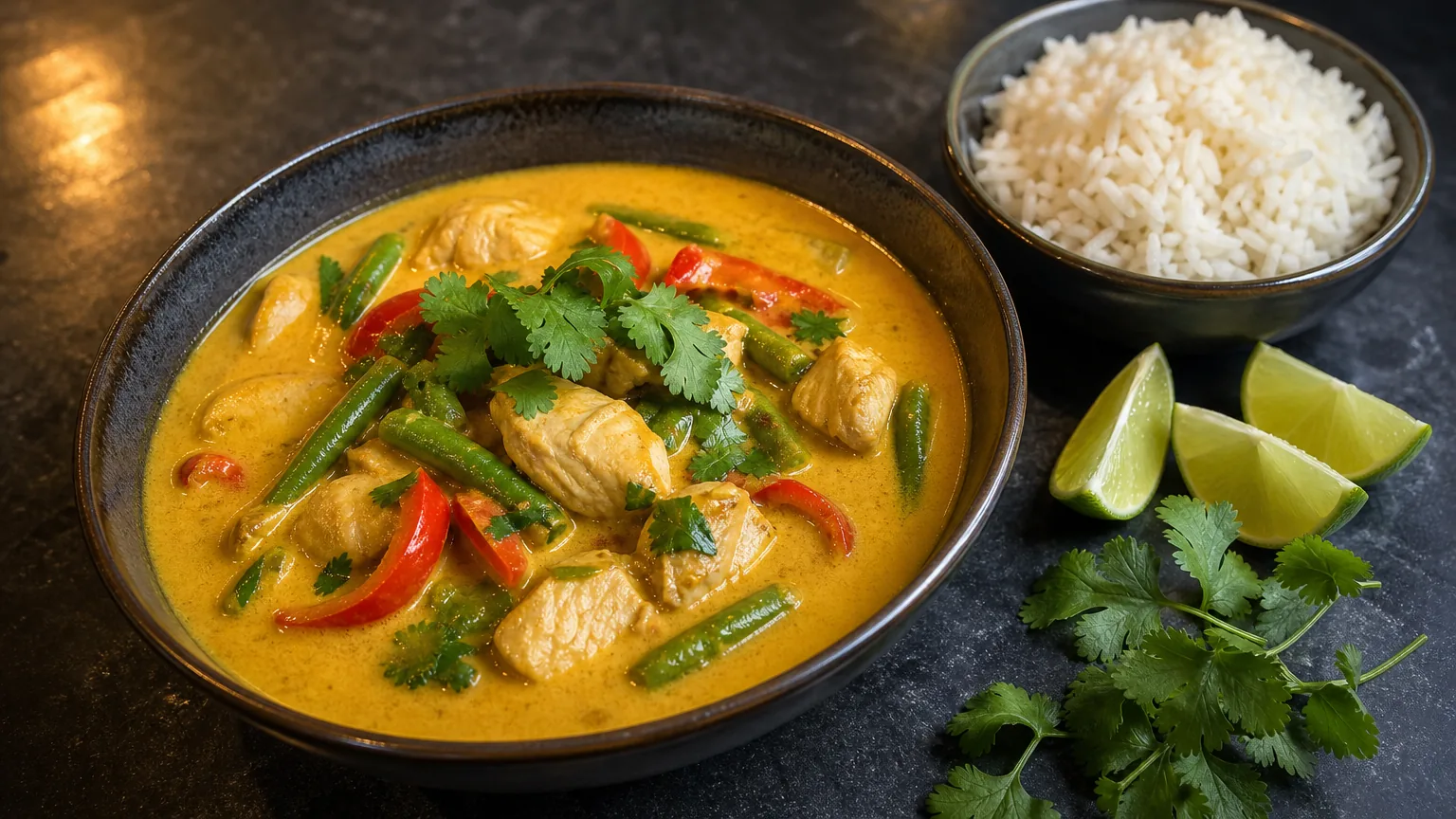
Coconut. Coconut milk and cream carry dairy-free desserts, sorbets, whipped toppings, and plant-based ice cream. Coconut oil replaces butter in vegan baking, coconut flour turns up in grain-free baked goods, and coconut aminos stand in for soy sauce in soy-free cooking. Then there are the obvious places: Thai, South Indian, and Caribbean curries, macaroons and cream pies, toasted coconut garnishes, smoothie bowls, and frozen cocktails. Virgin coconut oil is pressed rather than refined, and a menu rarely says which kind a kitchen used, so treat any coconut oil as coconut unless your allergist tells you otherwise.
Shea and palm nut. Both mostly arrive as fats. Shea is used in confectionery as a cocoa butter substitute, and palm kernel fat is common in compound chocolate coatings, glazes, and frostings. Refined shea butter appears to carry almost no protein. The University of Nebraska’s Food Allergy Research and Resource Program found no detectable protein residue in it and no published reports of allergic reactions to it, and a 2011 laboratory study found no soluble proteins in shea butter that IgE antibodies bind to.
Kola nut. Kola extract appears in some craft colas, energy drinks, and supplements. When it is used for flavor, it can sit inside “natural flavor” on a label.
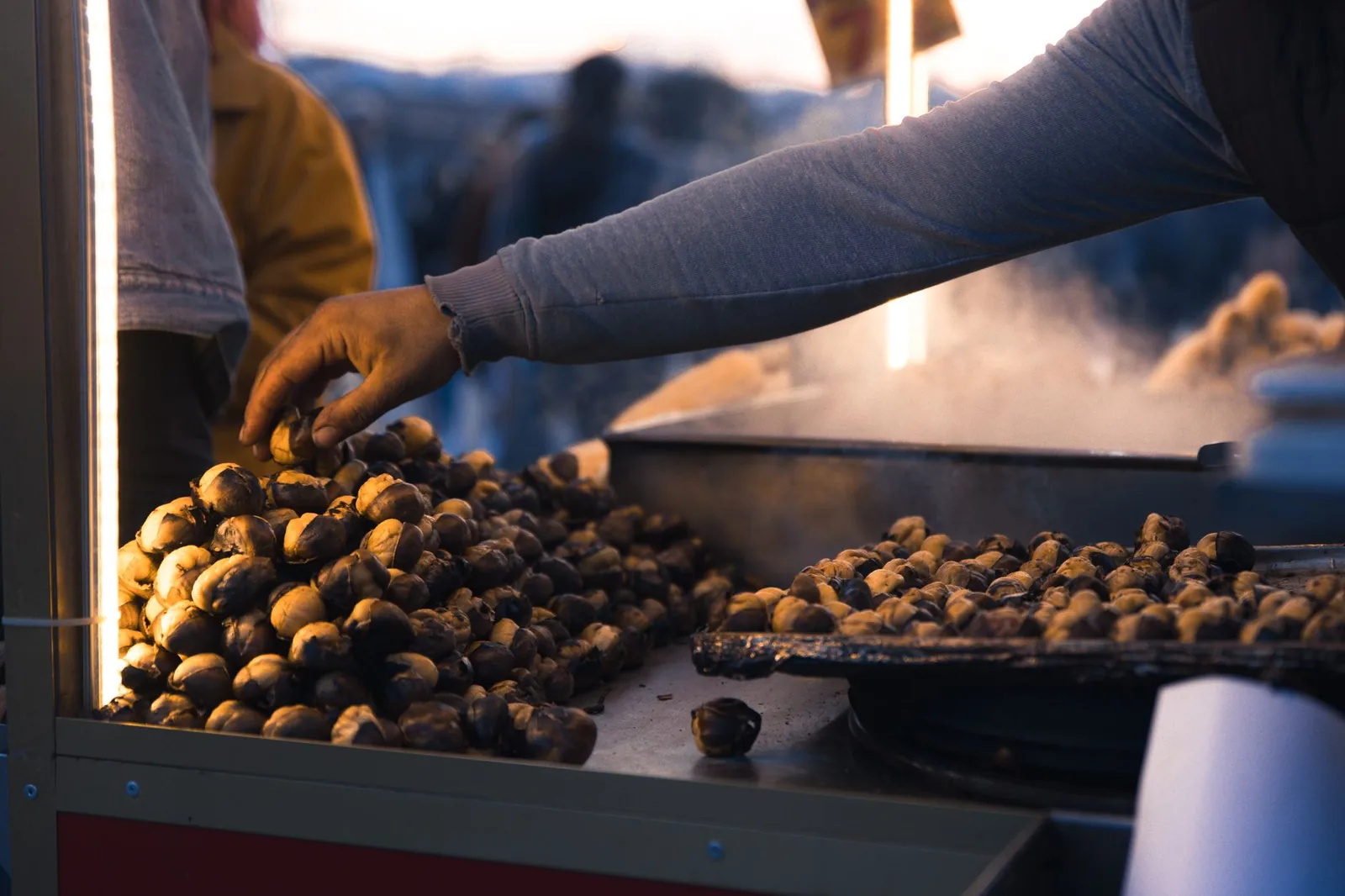
Chestnut and chinquapin. Look for chestnut flour in gluten-free baking, roasted chestnuts and chestnut stuffing on fall and holiday menus, candied chestnuts and chestnut cream in desserts, and braised dishes in Chinese and Korean cooking. Chinquapin is a small chestnut relative. Chestnut matters most to people with latex allergy, because it is one of the classic foods in latex-fruit syndrome, alongside banana, avocado, and kiwi.
Ginkgo nut. Ginkgo seeds go into Japanese chawanmushi, a savory steamed egg custard, and into Chinese congee and vegetarian braises.
Hickory nut, butternut, beechnut, and pili nut. These are rare on menus, but two are close relatives of nuts that stayed on the list. Hickory belongs to the same genus as pecan, and butternut is a species of walnut, so if pecan or walnut is your allergy, keep avoiding them until your allergist says otherwise. Pili nuts show up mainly as packaged snacks. Two menu words cause needless alarm: “hickory-smoked” refers to the wood, and butternut squash is a squash.
Off the menu, on the gift shop shelf. Shea butter and coconut oil are staples of sunscreen, lip balm, and after-sun lotion, listed under names such as Butyrospermum parkii (shea) butter and Cocos nucifera (coconut) oil. Food allergen rules do not cover cosmetics, so there is no “Contains” line to check. On current evidence, refined shea butter looks low risk. If coconut is a confirmed allergy, read the label of anything that goes on the skin.
How to Order When the Tree Nut Box No Longer Covers You
The fix is not complicated, but it has to be deliberate, because the old shortcut will still feel like it works.
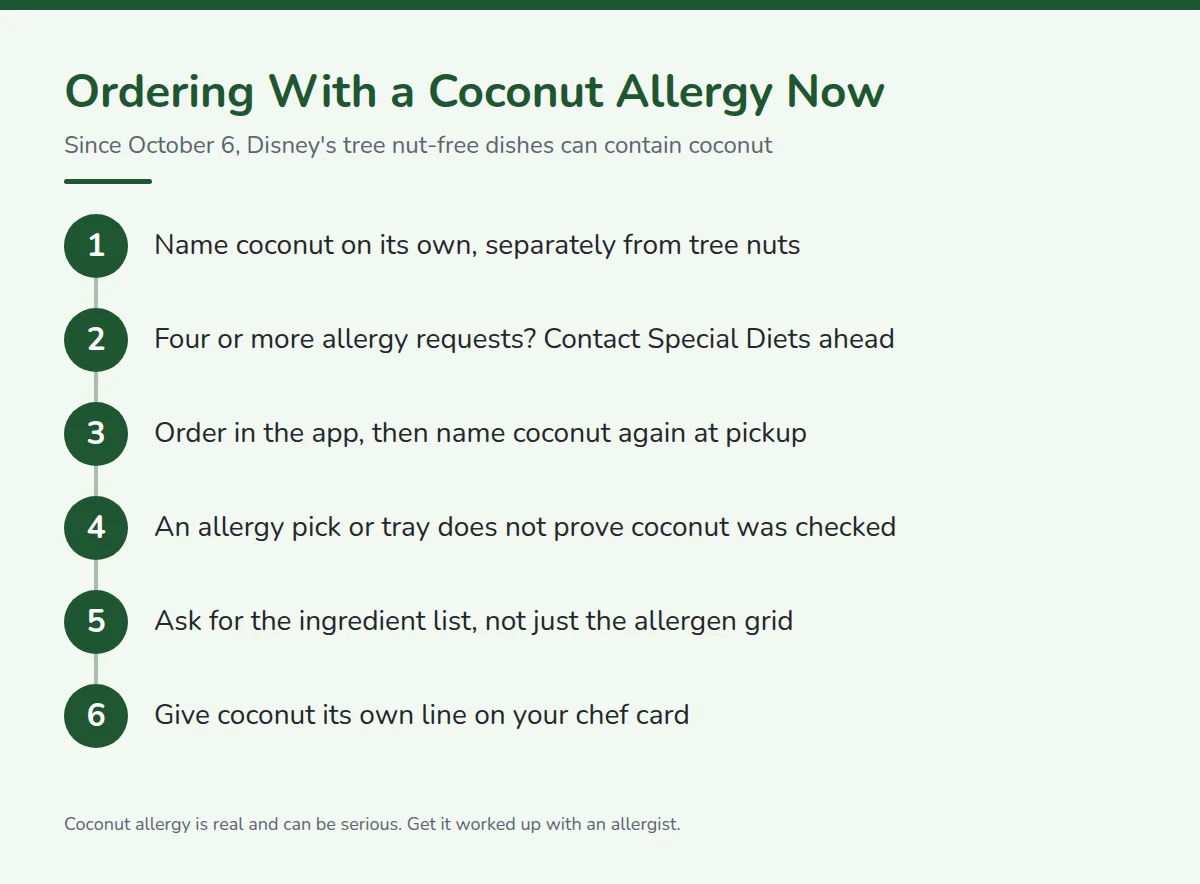
- Name coconut as its own allergy. Say “coconut” every time, separately from “tree nuts,” to the server, the cast member, or the chef. At Disney it now falls among the less common allergy requests that kitchens say they will do their best to accommodate, alongside requests like corn or citrus, and you can ask to speak with a cast member trained in special diets when you arrive.
- Recount your allergies before the trip. Disney asks guests with four or more allergy requests to contact its Special Diets team in advance, no sooner than 14 days before arrival. A family that used to list “tree nuts” and now lists tree nuts and coconut separately may cross that line.
- Do not let a filter do the screening. Allergy-friendly options in online menus and mobile ordering are built around the common allergens plus gluten. Pick the item, then use the pickup, where Disney requires you to speak with a cast member, to name coconut.
- Treat the marker as half an answer. An allergy order arrives with a visual marker such as a pick, a designated tray, or a sticker. It tells you the allergy process ran, not which allergens it screened for. Ask out loud: “Is this made without coconut?”
- At carts and kiosks, read the package. Many smaller locations have no allergy-friendly menu, and Disney suggests asking to see the packaging for items like ice cream bars. Coconut must still appear in the ingredient list by name, with the natural flavor exception above.
- Anywhere else, ask what “tree nuts” means on the chart. Check the date on a chain’s allergen guide, ask whether coconut is covered, and ask for the full ingredient statement rather than a grid of checkmarks.
- Update your chef card. Give coconut its own line with its common forms: milk, cream, oil, flour, sugar, and aminos. Add shea, chestnut, or another delisted ingredient only if your allergist has told you to avoid it. Our travel playbook covers chef cards and theme park planning in more depth.

The same logic applies to anyone whose avoidance list was simply “all tree nuts.” If an allergist told you years ago to avoid every tree nut as a precaution, that instruction covered chestnut, hickory, and butternut on the old list. The tree nut box now covers nine. Ask whether any of the eleven belong on your personal list, especially butternut and hickory if walnut or pecan is your allergy, and chestnut if you have a latex allergy.
Is Coconut Your Allergy, or Just on Your List?
Coconut is the seed of a palm, botanically a drupe, and it is not closely related to any of the nine tree nuts. The American College of Allergy, Asthma and Immunology says most people with tree nut allergy can safely eat coconut, and advises talking to an allergist before adding it to your diet. The research points the same way. A Boston chart review found that children sensitized or allergic to peanuts or tree nuts were no more likely to be sensitized or allergic to coconut. A Kansas City analysis of nearly 300 coconut blood tests found that positive results tracked mainly with almond and macadamia sensitization, and a positive blood test is not the same as reacting to the food.
Coconut allergy does exist, and it can be serious. The first two cases reported in people with tree nut allergy, in 1999, involved patients with severe walnut allergy whose antibodies also recognized a legumin-type storage protein in coconut. That is the same protein family as Cor a 9, one of the markers of the more dangerous form of hazelnut allergy. Even so, those authors concluded there was no general reason to tell tree nut allergic patients to avoid coconut. A 2017 report described a child who had tolerated coconut for years, with regular exposure through the skin as well as in food, before developing an allergy to it.
That leaves two different groups of diners, and the October 6 change affects them in opposite ways.
If you avoid coconut only because it rode along with a tree nut diagnosis, the change is a prompt to ask your allergist whether you need to avoid it at all. Testing for coconut specifically, followed if needed by a supervised oral food challenge, can answer that. A mail-in panel cannot, for the reasons in our look at at-home food sensitivity tests. Never test it yourself at a restaurant table.
If you have reacted to coconut, get that reaction worked up on its own terms. Book an allergist visit if you have had hives, swelling, vomiting, wheezing, or throat tightness within about two hours of eating coconut, if you reacted to a dish listed as tree nut-free since October 6, or if coconut has never been named on your emergency action plan. The visit should end with coconut written on that plan, a decision about epinephrine, and a clear list of the forms you must avoid. Bloating or loose stools hours after a rich coconut dessert, with no hives or breathing symptoms, can be an intolerance rather than an allergy, and the allergist can help tell the two apart. A rash only where a sunscreen or shampoo touched the skin is usually contact dermatitis, a separate condition that is investigated with patch testing.
If a reaction involves trouble breathing, throat tightness, or symptoms in more than one part of the body, use epinephrine first and call emergency services.
The Label Moved, Not the Allergen
Neither Disney nor the FDA decided that coconut is safe. The FDA decided coconut does not meet its bar for a major allergen, and Disney’s menus now follow that bar. For most tree nut allergic diners that is good news: more dishes and fewer needless restrictions. For the smaller group who react to coconut, a familiar shortcut has stopped working, and charts at other chains may follow as they update. Say “coconut” out loud, every time, and get it on paper with your allergist.
Further reading (sources)
- Allergic Living with its traveler alert on Disney’s tree nut menu change
- Inside the Magic on the special dietary requests counter at Sunshine Seasons
- U.S. Food and Drug Administration for which nuts left the tree nut list and how coconut is labeled now, and the fifth edition of its allergen labeling guidance
- California Department of Public Health on what SB 68 requires of chain restaurant menus
- Allergic Living reporting New Jersey’s allergens on menus bill gaining support
- American College of Allergy, Asthma and Immunology for why most people with tree nut allergy can eat coconut
- Stutius and colleagues on sesame, coconut, and nut allergy in children
- Polk and colleagues with how coconut sensitization tracks almond and macadamia
- Teuber and Peterson on the first coconut reactions reported in tree nut allergic patients
- Anagnostou for a child who developed coconut allergy after years of tolerating it
- Chawla and colleagues, testing shea butter for IgE-binding proteins
- Food Allergy Research and Resource Program on refined shea butter and nut allergic consumers
- Gromek and colleagues with a review of latex-fruit syndrome, chestnut included