Is It Gluten-Free? A Pantry Reference for Greek Yogurt, Rice, Popcorn, Semolina, and Egg Noodles
Published on July 14, 2026
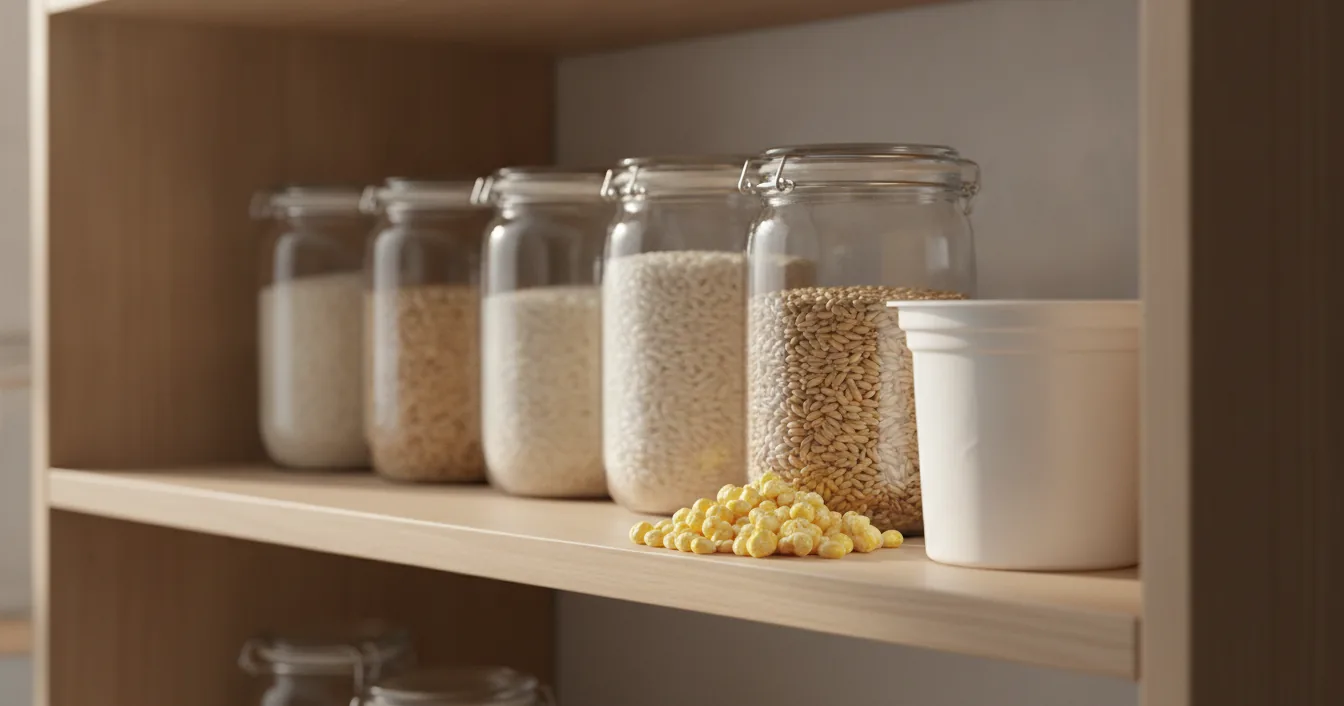
Type “is Greek yogurt gluten free” into any search bar and you will get a mix of confident yeses, cautious maybes, and the occasional flat no. That scatter is not the internet failing to agree. It is the honest shape of the answer, because for a lot of everyday foods the reply is “it depends,” and what it depends on is worth learning before you fill a cart.
If you are newly diagnosed with celiac disease, stocking a gluten-free kitchen for a child, or just trying to read labels with more confidence, it helps to sort foods into three buckets:
- Naturally gluten-free, and safe in their plain form (rice, plain Greek yogurt, popcorn kernels).
- Always contains gluten, because the food is made from a gluten grain (semolina, most egg noodles).
- The in-between cases, where a naturally safe food picks up gluten from added flavorings or shared equipment.
This reference walks through five of the most-searched pantry foods and where each one lands. For the bigger picture on living gluten-free, our guide to gluten-free options for celiac and allergy sufferers covers the full diet.
A quick word on who this matters for. Celiac disease is an autoimmune condition where gluten triggers the immune system to damage the small intestine. Non-celiac gluten sensitivity causes similar discomfort without that intestinal damage, and a wheat allergy is a separate immune reaction to wheat proteins that can turn severe. All three call for avoiding the foods flagged below, and for any serious reaction you should work with an allergist or gastroenterologist. If you are not even sure which one you have, remember that reliable testing looks nothing like a mail-order sensitivity kit.
The Quick Verdict
| Food | Plain form gluten-free? | Where gluten sneaks in |
|---|---|---|
| Greek yogurt | Yes | Flavored tubs, mix-ins, shared-facility cross-contact |
| Rice | Yes | Seasoned mixes, instant pilafs, shared milling, soy sauce |
| Popcorn | Yes | Butter flavors, caramel, cheese powders, theater poppers |
| Semolina | No | It is wheat, plain and simple |
| Egg noodles | Usually no | Wheat flour base; only certified versions are safe |
Greek Yogurt: Usually Safe, Check the Flavored Tubs
Plain Greek yogurt is made from just milk and live active cultures. The straining that gives it that thick texture removes whey rather than adding anything, so plain versions are naturally gluten-free and a genuinely good staple for a gluten-free kitchen.
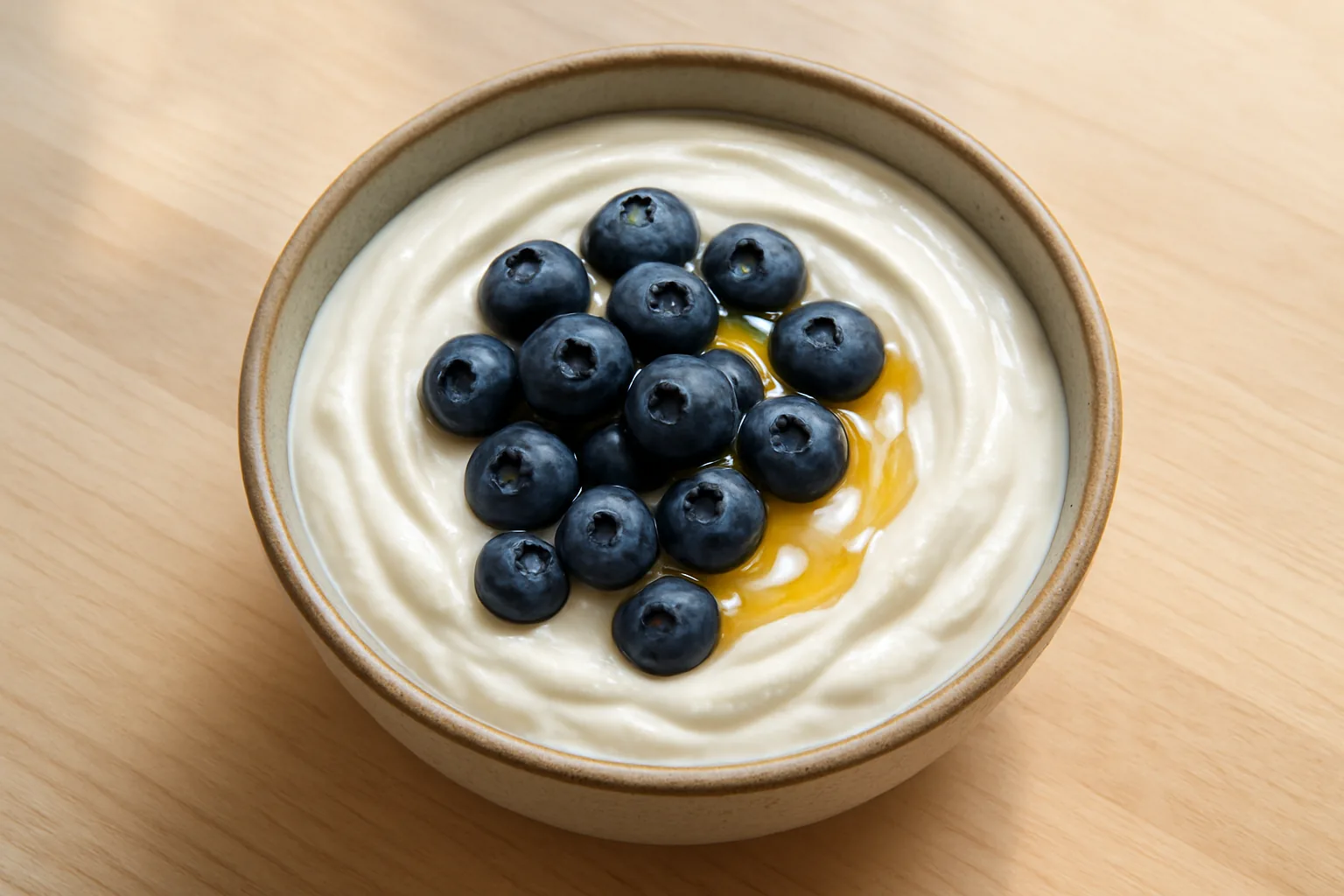
The caution is with everything that comes after the word “plain.” Flavored tubs, especially dessert-style flavors and anything with granola, cookie pieces, or crumble mix-ins, can carry gluten through added thickeners, starches, or flavorings drawn from wheat or barley. Cross-contact is the other risk: a yogurt made in a facility that also handles gluten ingredients can pick up trace amounts on shared equipment. Reach for plain tubs, or ones that carry a certified gluten-free mark, and read the ingredient list even on a brand you have bought before, since recipes change without warning.
Rice: Naturally Safe, Mind the Mixes
Rice is one of the safest foundations in a gluten-free pantry. It comes from a different botanical family than wheat, barley, and rye, and its proteins are not the gliadin and glutenin that cause the trouble. White, brown, basmati, and jasmine rice are all naturally gluten-free. Wild rice counts too, even though it is technically the seed of an aquatic grass rather than true rice.
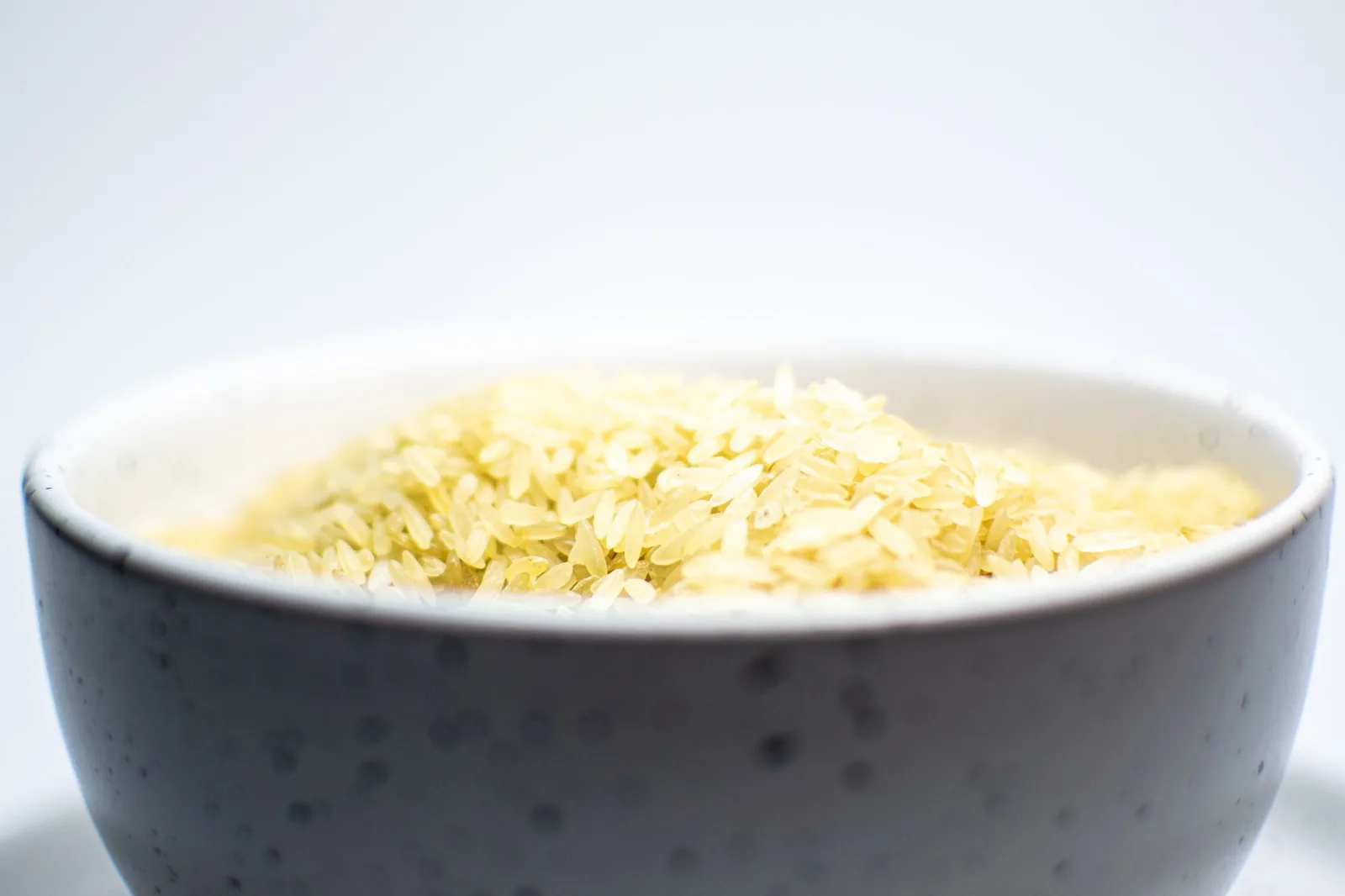
One name trips people up constantly: sticky rice, also sold as “glutinous” rice. The word “glutinous” here describes the sticky, glue-like starch (amylopectin), not gluten, and this rice is just as gluten-free as the rest.
Gluten enters rice in two ways. The first is added ingredients: boxed pilafs, seasoned packets, and some instant mixes lean on hydrolyzed wheat protein or barley-based flavorings. The second is contamination, either from milling on equipment shared with wheat or from cooking with a gluten ingredient like regular soy sauce. Plain rice with a certified label sidesteps both.
Popcorn: A Safe Kernel With Risky Toppings
The popcorn kernel is a whole grain of corn, botanically distinct from wheat, barley, and rye, so air-popped plain popcorn is naturally gluten-free. It is also a legitimately good snack, high in fiber and rich in antioxidant polyphenols.

The kernel is rarely the problem. The trouble arrives with the toppings and the venue. Here is how the common versions stack up:
- Plain and most microwave popcorn: usually safe, but read the seasoning list.
- Buttered and “movie” popcorn: it depends. Artificial butter flavorings can hide gluten-based thickeners or colors, and theaters often pop in shared machines that use the same topping across batches.
- Caramel popcorn: frequently not safe, because syrups and malt flavoring (malt comes from barley) work their way in.
- Cheese popcorn: depends on the powder, since some cheese seasonings use gluten as an anti-caking or binding agent.
Concession-stand popcorn is one of those “ask before you order” foods, the same mindset that makes a travel and dining-out playbook worth having whenever you eat away from your own kitchen.
Semolina: A Flat No, It Is Wheat
Here the answer is refreshingly simple. Semolina is not gluten-free. It is a coarse flour milled from durum wheat, prized in pasta making precisely because its high gluten content (roughly 13 percent protein or more, higher than all-purpose flour) is what gives pasta its shape and chew.
The confusion usually comes from the word “durum.” Durum is not a separate grain, it is a species of wheat, so “durum wheat semolina” is wheat twice over. You will find semolina in pasta, in couscous (which is essentially tiny beads of moistened semolina), in some puddings, and dusted on the bottom of pizza and artisan loaves. Unless a package specifically says corn semolina or rice semolina, treat the word “semolina” on any label as a stop sign.
Egg Noodles: Usually No, But Gluten-Free Versions Exist
Eggs are gluten-free, which is exactly why “egg noodles” fool so many people. Traditional egg noodles are made from eggs plus wheat flour or durum semolina, and the wheat is what holds them together in boiling water. So standard egg noodles, including Chinese-style lo mein and chow mein noodles (wheat flour, egg, and an alkaline salt called kansui), are not gluten-free.
A few specifics that come up often:
- No-yolk and egg-white noodles are formulated for people watching cholesterol, not gluten. Most still use wheat flour, so they are not safe unless the label says otherwise.
- Restaurants add a second layer of risk. Even if you order rice noodles, the same woks and pots of boiling water often handle wheat noodles too. Ask for gluten-free tamari instead of regular soy sauce, which contains wheat.
- Genuinely gluten-free egg noodles do exist now, built on rice or corn flour with egg and a binder like xanthan gum. They are safe only when they carry a gluten-free certification.
Good swaps when you want the comfort without the wheat include rice noodles (think pad thai) and sweet potato starch noodles (think japchae).
Reading a Label With Confidence
Two habits protect you more than any single “safe list.” First, learn what the gluten-free label legally means. In the United States, a product labeled “gluten-free” must test below 20 parts per million of gluten. Research shows that threshold does not cause intestinal damage for most people with celiac disease, and it is also the level below which testing itself becomes unreliable. Third-party certifications go a step further: look for the GFCO mark in the US, or the Gluten-Free Certification Program (a crossed-out grain ear) in Canada.
Second, remember that a “free from” claim, or even a certification, lowers cross-contact risk but does not always guarantee zero. Shared facilities, quiet reformulations, and hidden terms like malt, hydrolyzed wheat protein, and vague “natural flavors” all keep label reading a per-purchase habit rather than a one-time lesson. Oats are the classic reminder that certification and cross-contact are two different conversations, as our piece on why some celiacs still react to gluten-free Cheerios explains. If you want the groundwork on how allergen and gluten labeling laws fit together, start with our complete food allergy guide for 2026.
Your Gluten-Free Pantry at a Glance
Stock plain rice, plain Greek yogurt, and plain popcorn kernels with confidence. Keep semolina and standard egg noodles off the list entirely, and reach for certified gluten-free noodles or naturally safe swaps instead. When a food sits in the in-between bucket, the label and the certification mark, not the food’s reputation, are what settle the question. And when a reaction could be severe, confirm your plan with an allergist or gastroenterologist rather than a search result.
Further reading (sources)
- Healthy Food for Living on whether plain and flavored Greek yogurt is safe
- Healthy Food for Living for the rice varieties and mixes breakdown
- U.S. Food and Drug Administration for the 20 ppm gluten-free labeling rule
- Gluten-Free Certification Organization with what the third-party seal actually verifies
- Celiac Disease Foundation on sources of gluten and safe substitutions